Three new members join between late 2026 and August 2027: a postdoc and two future PhD students. Meet the team
Cnidarian–algal symbiosis · CUHK
A reef is a partnership. We study its terms.
We study how sea anemones and corals take microscopic algae into their own cells, keep them in check, and lose them under stress. Our work runs from single cells to whole reefs, and since August 2026 it has a home at The Chinese University of Hong Kong.
- Founded
- 2026
- Based at
- Marine Science Lab, CUHK
- Organisms
- Aiptasia, Cassiopea, corals
Field 01 / 05
Scale ≈100 m
The reef
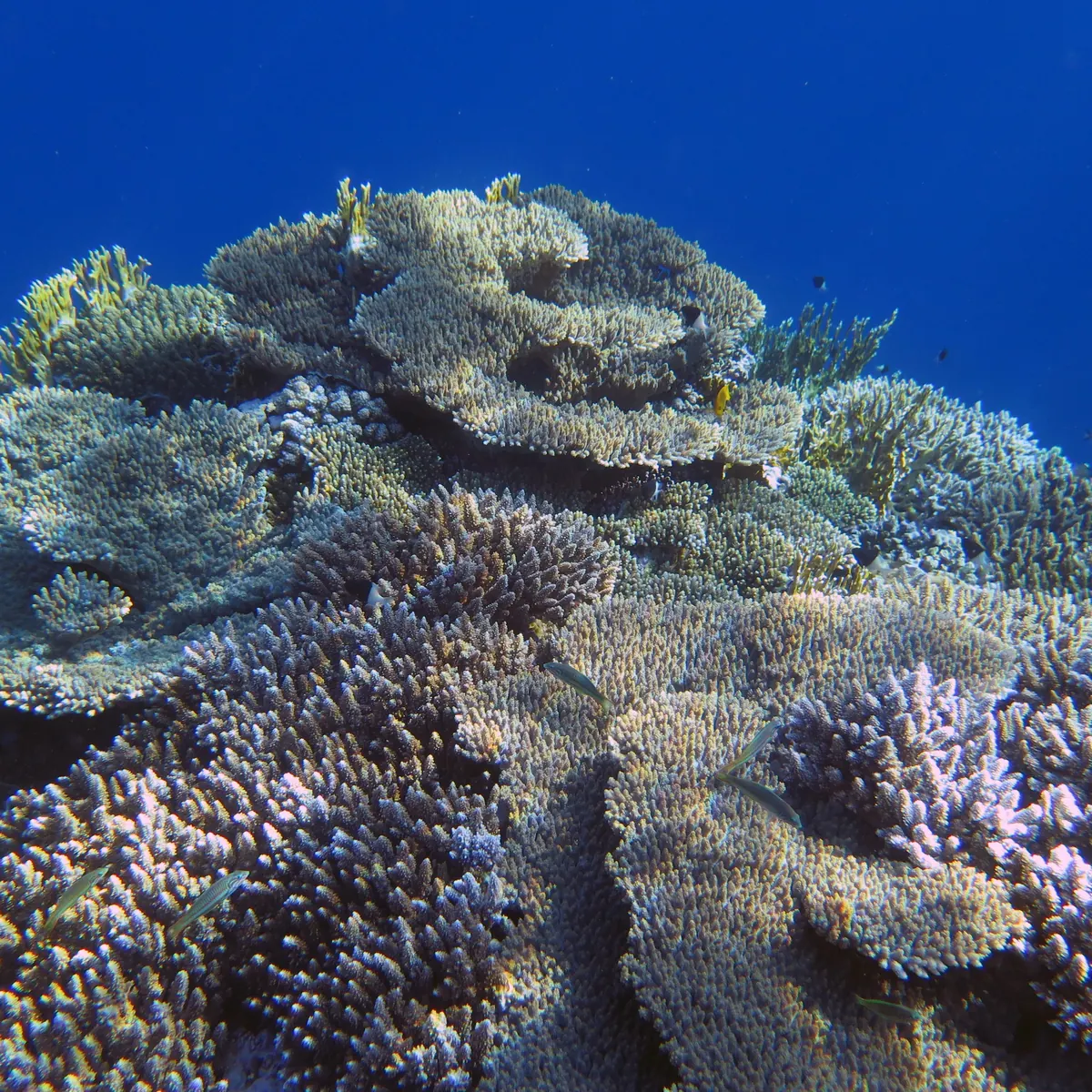
Reef-building corals thrive in some of the most nutrient-poor water in the ocean. Darwin found this puzzling. Much of the answer lies inside their cells.
The polyp
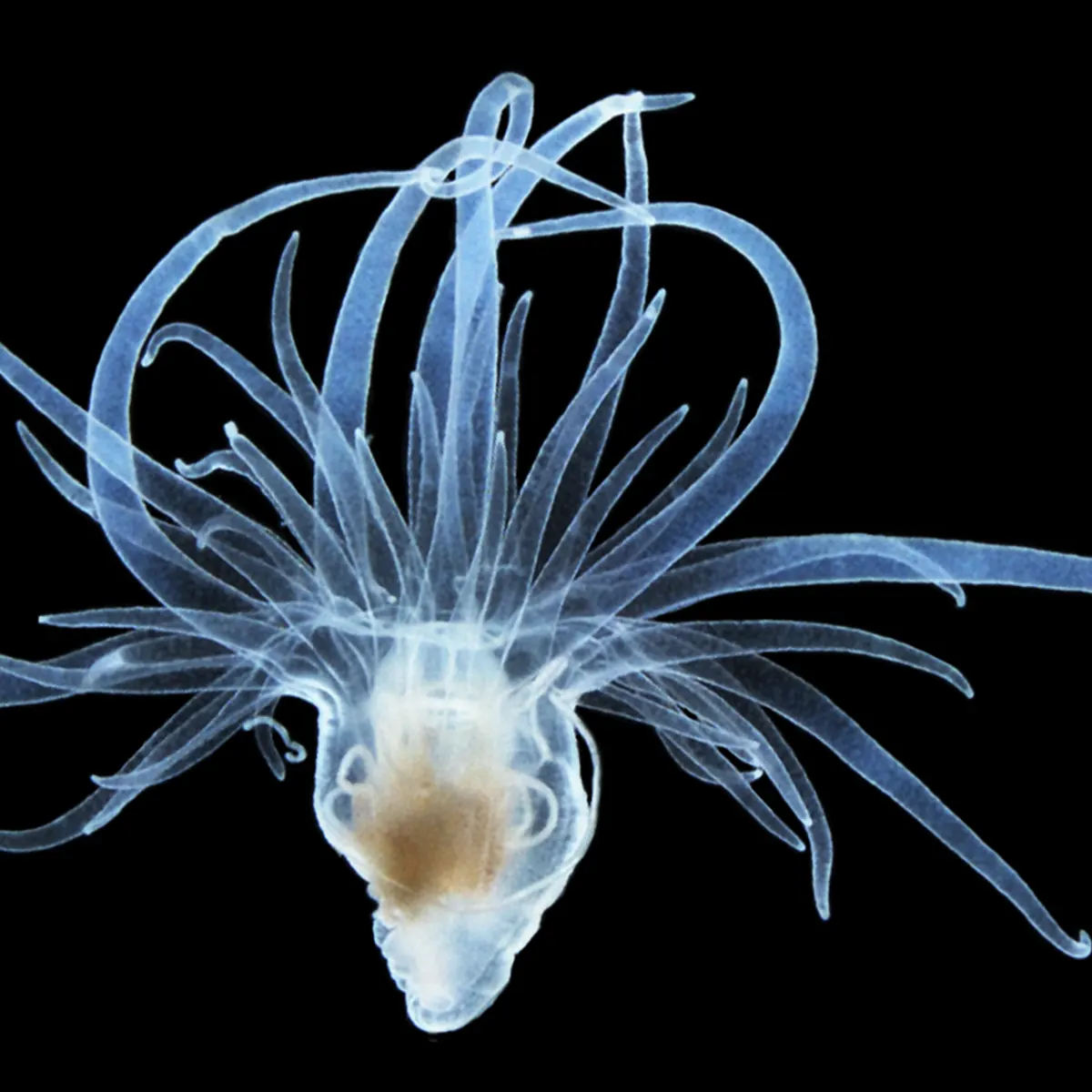
The sea anemone Aiptasia hosts the same algae as corals and can live with or without them. It is our laboratory model for coral symbiosis.
The tissue
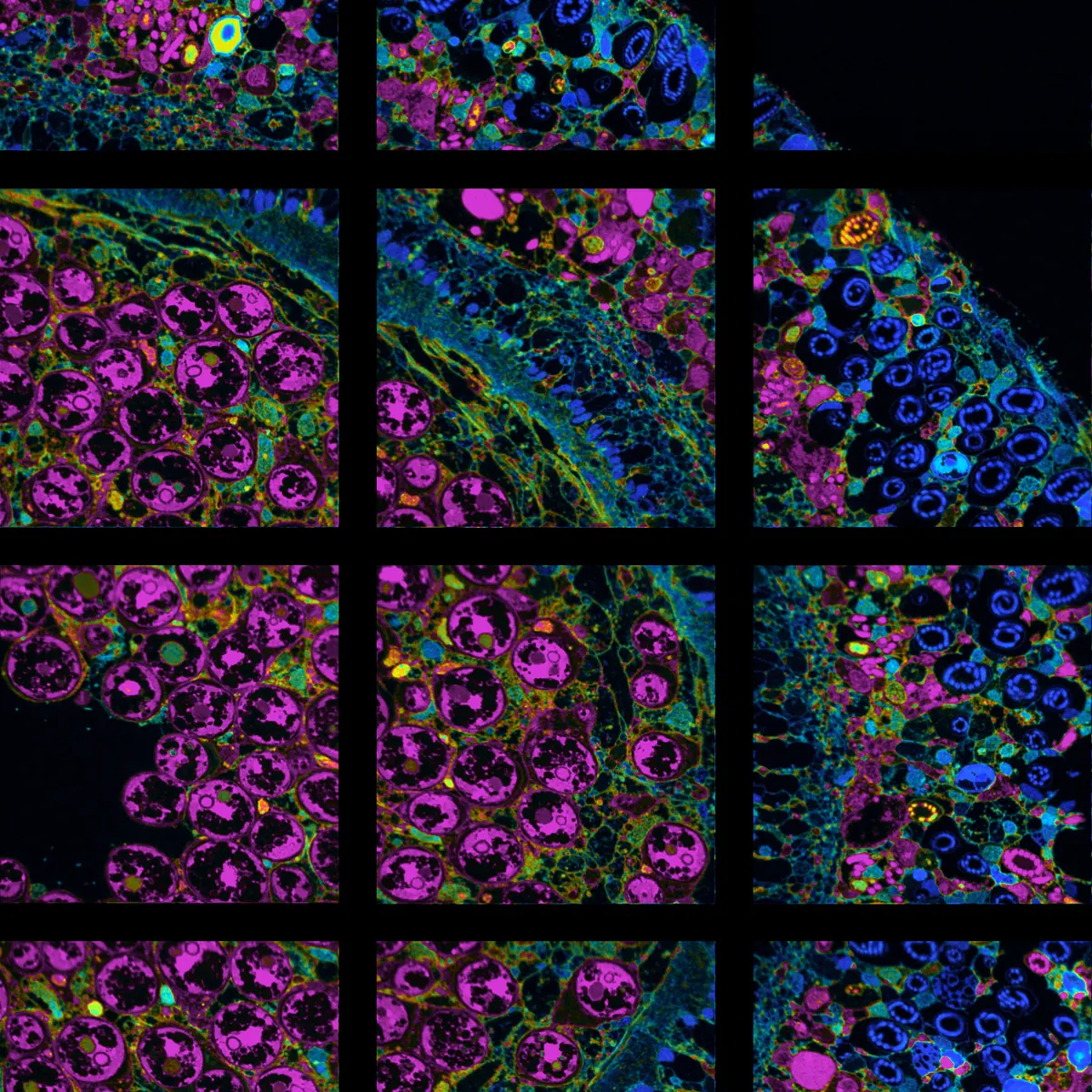
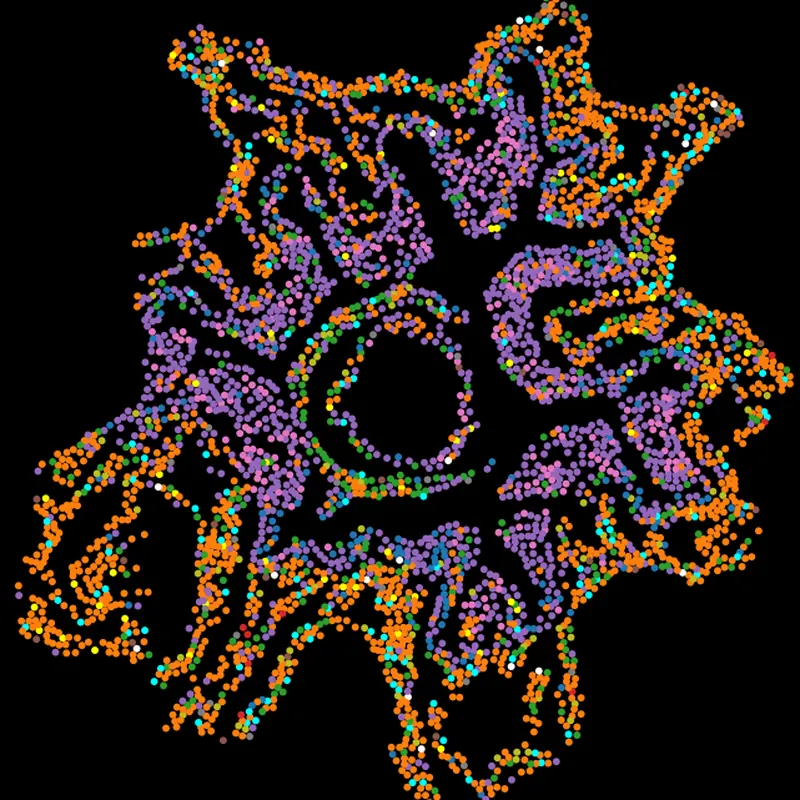
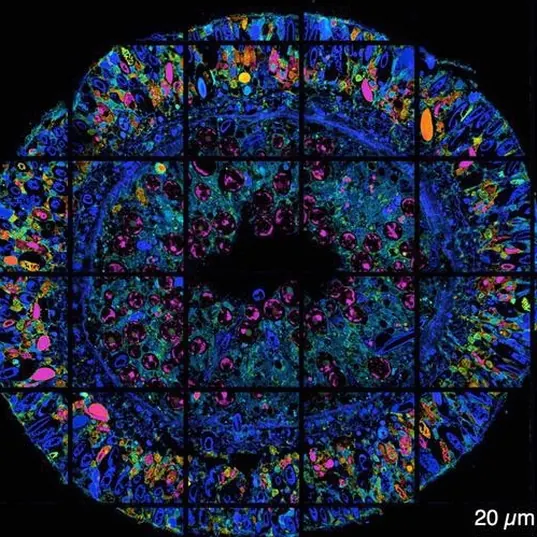
Only certain cells in the inner tissue layer take up algae. Single-cell and spatial maps show which ones, and how they differ from their neighbours.
The symbiont
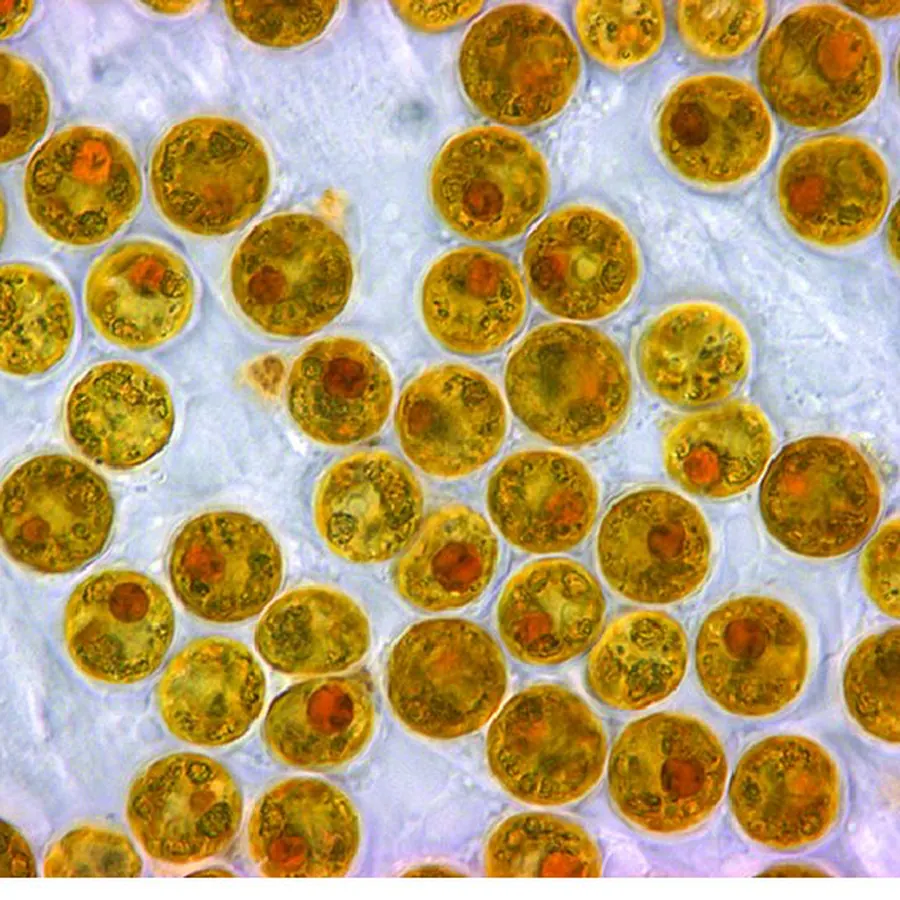
Each golden cell is a dinoflagellate alga of the family Symbiodiniaceae. Inside a host cell it photosynthesises and passes much of its sugar to the animal.
The dialogue
The host spends that sugar capturing ammonium, which leaves its algae short of nitrogen. This carbon–nitrogen feedback keeps the partnership in balance.
Latest
Guoxin co-teaches BIOL4230 Global Change Biology this term.
The Cui Lab opens in the Simon F.S. Li Marine Science Laboratory at CUHK.
How algal symbiosis restructures the cnidarian microbiome, accepted in Nature Communications.
Research
Four ways into one partnership
We follow the coral–algal symbiosis from the cells that host algae to the reefs they build. See the research programme
Join us
Applications welcome at every level
Postdocs, PhD students, research assistants, undergraduates and visiting scholars: we are glad to hear from you all year round, whether or not a position is advertised.