Research
How a symbiosis is built, kept, and lost
A coral is an animal that farms algae inside its own cells. We want to know how that arrangement is set up, how the host keeps it stable, and why it collapses when the ocean warms.
We work mainly with the sea anemone Aiptasia and the upside-down jellyfish Cassiopea, which are easy to keep and manipulate, and bring what we learn back to reef-building corals.
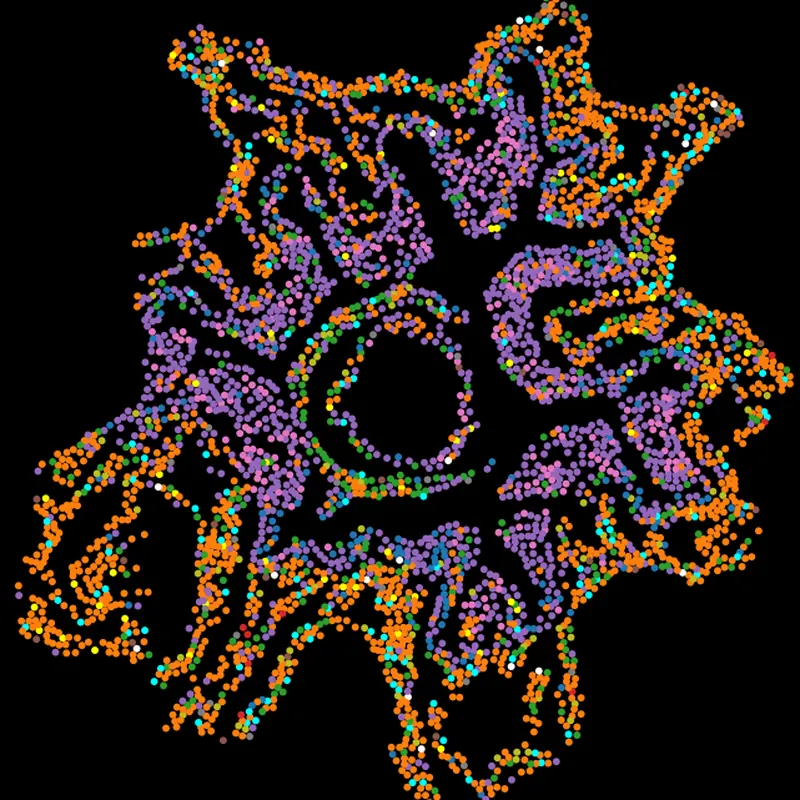 SPATIAL MAP
Map the cellular foundation
Only some host cells take up algae. We build single-cell and spatial atlases of Aiptasia, Cassiopea and corals to find those cells, trace how they arise, and see how the host–symbiont interface is laid out in the tissue.
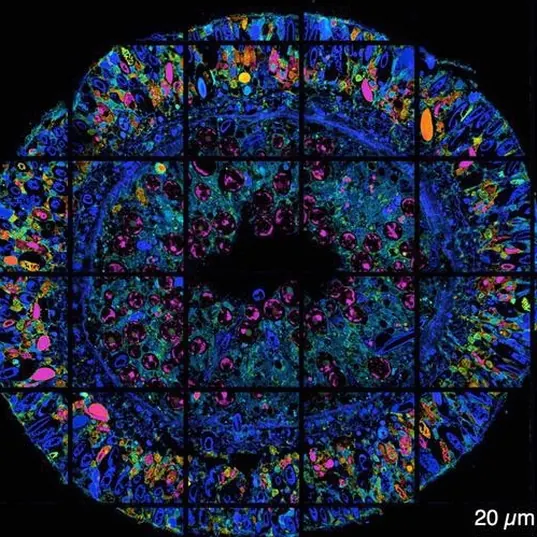 MULTIPLEX IMAGING
Decode the molecular dialogue
We look for the gene-regulatory programmes, including chromatin and epigenetic marks, that switch symbiosis on and hold it steady. Comparing species that evolved photosymbiosis independently shows which modules are shared, and CRISPR tests which ones are required.
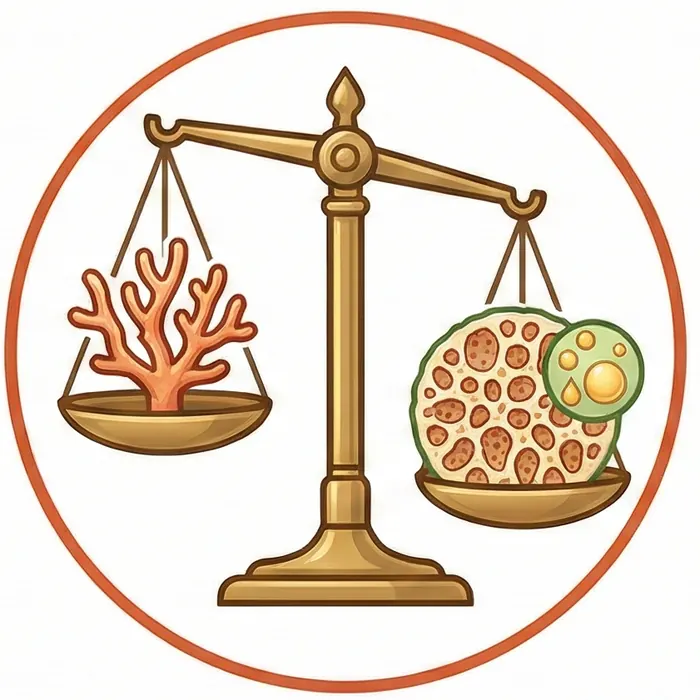 HOST CONTROL
Resolve the metabolic exchange
The host keeps its algae in check through a carbon–nitrogen negative feedback loop, which we found across distantly related cnidarians. We now follow how carbon, nitrogen and the host's bacteria shift as heat and other stressors push the partnership toward bleaching.
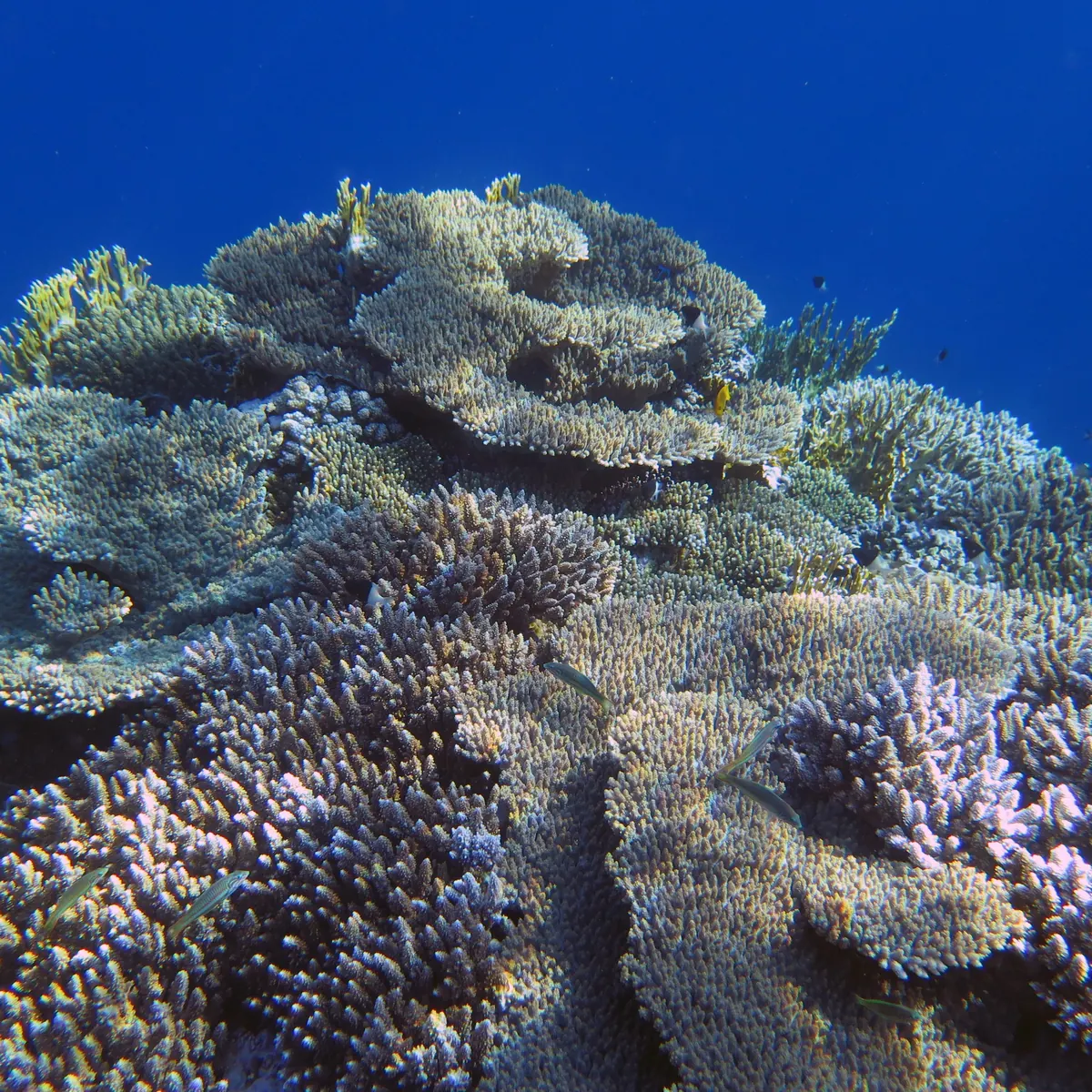 FIELD
FIELD
Deploy what we learn on reefs
We turn mechanisms into practical tools for restoration: screening for stress-tolerant corals, speeding up coral growth, and a smart-nursery strategy for Hong Kong's marginal reefs.
Current projects
- Establishment and breakdown of cnidarian symbiosisWhat changes in host cells as algae move in, and as they are lost during bleaching.
- Spatial organisation of photosymbiosisWhere symbiotic cells sit in the tissue and how they signal to their neighbours.
- Smart nurseries for coral restorationUsing molecular markers to grow tougher corals, faster, for Hong Kong reefs.
Study systems
- Exaiptasia diaphana “Aiptasia”
- A sea anemone that lives with or without algae. Our main laboratory model.
- Cassiopea upside-down jellyfish
- A jellyfish that evolved photosymbiosis separately from corals.
- Reef-building corals
- Acropora and Hong Kong species, for genomics and restoration.
- Symbiodiniaceae
- The dinoflagellate algae that live inside all of the above.